Aeration, Dethatching and Overseeding: One Plan, Three Steps
Each step helps on its own, but the three together give a thin lawn its best shot at coming back thick.
October 7, 2026 · 3 min read
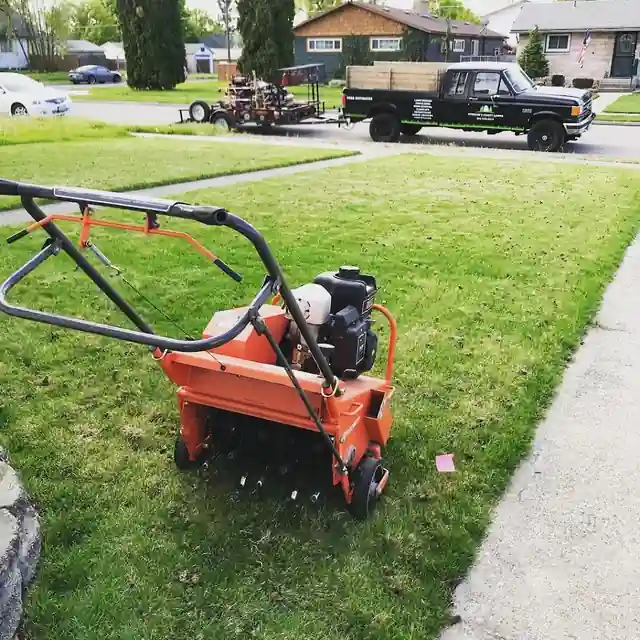
Why three steps instead of one
People often ask for aeration and stop there. Aeration is great, but a lawn that's thin, compacted and full of thatch has three problems, and each step answers one of them. We think of it as a plan that goes in order: aerate, dethatch, overseed. It's about as simple as 1, 2, 3.
Aeration opens the soil. A mechanical aerator pulls small plugs out of the ground, which relieves compaction and lets air, water and nutrients reach the roots. Dethatching removes the layer of dead stems and roots that builds up above the soil. Overseeding puts new grass seed into the lawn to fill thin spots and build density.
What thatch is, and when it matters
A little thatch is normal. A thick layer is a problem, because water and fertilizer sit on top of it instead of getting to the roots. When thatch exceeds 1/2 inch, we recommend dethatching. It's a spring-or-fall job, and fall is when most lawns get the most out of it, since the grass recovers from summer stress and heads into winter in better shape.
Seed matters just as much. Overseeding works best right after aeration, because the seed lands in contact with soil instead of sitting on top of the grass where it dries out. Choose a seed blend that suits your climate and your lawn type, and ask us if you're unsure.
It also helps to know what your soil is like. A soil test shows its composition and pH, and that tells you what the lawn needs after aeration. You don't need one for every visit, but if your lawn keeps thinning out no matter what you do, it's worth the small effort to find out why.
The day before: your checklist
A little prep makes the visit go faster and protects your yard. Here's what to do the day before.
- Water the lawn. Moist soil lets the aerator penetrate more easily, so it relieves compaction better.
- Mark your sprinkler heads and any underground utilities with flags. The equipment can damage what it can't see.
- Clear the lawn of toys, hoses, debris and lawn furniture so the crew can reach every inch and the pass is even across the whole yard.
The flags matter more than people expect. Sprinkler heads sit just below or at grass level, and they are easy to hit. If you have drip lines or a buried dog fence, mark those too. A few minutes with a roll of flags can save a repair bill.
After the visit: what to do
You'll see small plugs on the surface after aeration. Leave them. They break down on their own and return soil to the lawn. The weeks after are where you earn the result. Fresh seed is slow to show. Give it a few weeks and keep heavy foot traffic and pets off the seeded areas where you can, and you'll see the green fill in from the thin spots outward.
Water more than usual to help new seed germinate and the roots grow. Consistent moisture is the key to thick turf. But don't overdo it. Too much water can wash the seed away and leave the soil waterlogged, which undoes some of the benefit of aerating.
A fertilizer treatment after aeration works well, because the nutrients move into the soil more easily through the openings. Pick one that suits your grass type and the season.
Wait about a week before you mow. Once the lawn has recovered, mow with a sharp blade and take off only the top third of the grass blade, which keeps the stress on the turf low. On our weekly mowing service we'll follow the same height rule we always do: 3 1/4 inches in spring and fall, and 3.5 to 4 inches in summer.
Spring or fall?
Both seasons work. Spring aeration and overseeding set the stage for summer. Fall does the most for lawns that have had a hard summer, and it's the best time for dethatching. If you can only do one pass a year, most lawns benefit more from fall.
To schedule aeration, dethatching and overseeding, call (509) 834-0974 or ask for a free estimate. We work in Yakima, Union Gap, Selah, West Valley, Terrace Heights and Fruitvale.
Yakima's Finest Lawns, (509) 834-0974
Call (509) 834-0974More articles
Why We Mow at 3 1/4 Inches, and Taller in Summer
Our mowing height is a rule, not a mood, and here is the plain reason behind it.
A Yakima Lawn Year: What to Do in Spring, Summer, Fall and Winter
Every season asks something different of your lawn, and the work stacks up if you skip a turn.